




 Shop now. Pay over time with affirm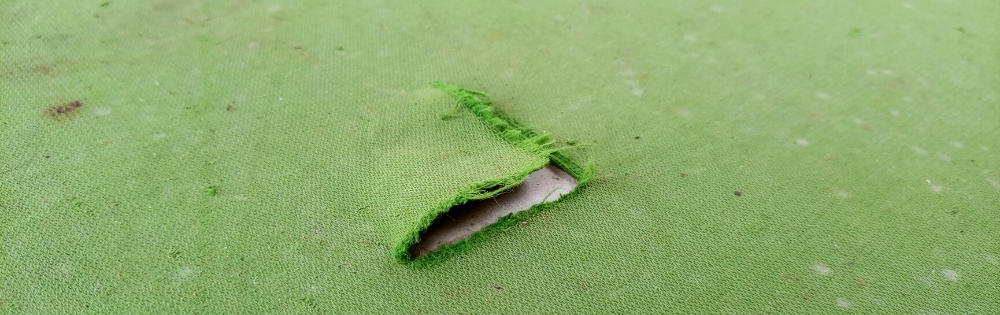
A pool table is often the centerpiece of a game room, built for competition, entertainment, and style. Over time, however, even the highest-quality table cloth begins to wear down. Knowing when to refelt a pool table helps preserve gameplay quality, protect the table structure, and keep your space looking its best.
If you’re wondering whether it’s time to refelt, these four signs make the answer clear.
Visible Damage to the Table Cloth
One of the most obvious indicators that it’s time to refelt a pool table is visible damage. Tears, scratches, burns, or deep gouges in the felt are more than cosmetic flaws. They interfere with ball roll, create inconsistent play, and can worsen quickly with continued use.
Even minor cuts or fraying areas tend to expand as balls repeatedly pass over them. Once damage reaches this point, cleaning alone won’t solve the problem. Refelting restores a smooth, even playing surface and prevents further table repairs down the line.
Declining Gameplay Quality
If shots no longer feel predictable, worn felt may be the reason. Dirt, chalk dust, and moisture build up in table cloth fibers over time, affecting speed and accuracy. Balls may roll unevenly, slow down unexpectedly, or deflect off their intended path.
Players often ask how often to refelt a pool table, and while usage varies, noticeable changes in ball behavior are a strong signal. If cleaning fails to restore consistent play, replacing the felt is the most effective solution.
Pocket Catching and Inconsistent Ball Drop
Another common warning sign is pocket catching. The felt around pockets endures constant impact, making it one of the first areas to thin or loosen. When the cloth wears down, balls may hesitate, bounce out, or fail to drop cleanly.
This issue disrupts flow and accuracy, particularly during competitive play. Refelting corrects pocket performance and restores smooth, reliable ball entry across all six pockets.
General Wear and Thinning Felt
Even without visible tears, felt naturally thins due to friction from balls, pool cues, and regular brushing. Over time, the surface loses its resilience, leading to dull appearance and reduced playability.
Addressing wear early avoids more extensive table recovering, rail damage, or the need to refelt bumpers later. Fresh felt gives the table a complete makeover while extending its overall lifespan.
Caring for Your Pool Table Felt
Proper maintenance can delay the need for refelting and protect your investment.
Keep the table dry at all times. Moisture can warp the table bed and permanently damage billiard cloth. Clean spills immediately using a dry towel to absorb liquid before it penetrates the fibers.
For stains, gently blot with a mild solution and avoid aggressive scrubbing or harsh chemicals. Regular brushing removes chalk dust and debris, helping maintain consistent ball roll and cloth appearance.
If your felt is already worn or damaged, it’s often time to replace table felt cloth to restore smooth play and protect the table surface.
Refelting Your Pool Table: What to Expect
Many players ask how hard it is to refelt a pool table or how long it takes to refelt a pool table. While DIY refelting is possible, it requires precision, proper tools, and experience with table rails, slate alignment, and stretching techniques.
Professional refelt pool table service ensures correct installation, proper tension, and optimal performance. It also prevents costly mistakes that can damage the table surface, rails, or legs.
Refresh Your Table with Confidence
Refelting is one of the most impactful upgrades you can make to a pool table. It restores playability, improves appearance, and protects the table structure for years to come.
Paying attention to early wear and caring for your table goes a long way toward keeping every game smooth and enjoyable.